

How to Choose a Bitcoin Mining Hosting Provider in 2026
By Josh Heine, Content Strategist at Simple Mining
Updated September 28, 2026Published May 18, 2026
Choosing a Bitcoin mining hosting provider is a capital allocation decision. The right host protects your capital and keeps machines hashing. The wrong choice burns returns through hidden fees and downtime. Power rate is the floor and uptime is the ceiling.
How to choose a Bitcoin mining hosting provider: the 60-second version.
- Get the all-in $/kWh quote in writing with every fee defined.
- Verify 95 to 98 percent historical uptime with a 12-month log.
- Confirm in-house Bitmain-certified repairs with 12 months of repair coverage on hosted units.
- Read the pause clause and the 30-day hosting deposit terms before you sign.
- Take the trial before scaling capital.
Those five steps separate a host that compounds capital from one that leaks it. The rest of this guide walks each step in depth and gives you the exact questions to ask before signing.
On this page · 13 sections
- What Is Bitcoin Mining Hosting
- Why Use a Hosting Provider Instead of Mining at Home
- What to Look for in a Bitcoin Mining Hosting Provider
- Understanding Hosting Costs
- Red Flags to Avoid When Choosing a Hosting Provider
- Questions to Ask a Bitcoin Mining Hosting Provider
- How to Calculate Bitcoin Mining Hosting Profitability
- Break-Even and ROI Timelines for Hosted Mining
- Best Locations for Bitcoin Mining Hosting
- Enterprise and Large Fleet Considerations
- How to Get Started with a Bitcoin Mining Host
- FAQs About Bitcoin Mining Hosting Providers
- How to Choose the Right Provider for Your Mining Operation
Key Takeaways
- All-in hosting rates between $0.065 and $0.08 per kWh are typical in 2026 at competitive facilities. Anything above $0.085 is closer to breakeven than to a competitive rate.
- An in-house Bitmain-certified ASIC repair bench turns a 90-day shipping queue into a 1-to-2-week swap.
- Pause clauses and 30-day hosting deposits protect operators when Bitcoin price drops.
- Cooling approach maps to hardware: air-cooled facilities run standard ASICs at ~25 kW per rack while immersion and hydro support 50+ kW per rack.
- Run every shortlisted host through the same questions and the same trial before you commit capital.
What Is Bitcoin Mining Hosting
Bitcoin mining hosting is a service where you own the ASIC miners and a provider operates them at an industrial facility. Hosted mining means you own the hardware and the host operates while cloud mining means you rent hashrate and home mining means you run units from home. See our hosted Bitcoin mining explainer for the full definition.
Why Use a Hosting Provider Instead of Mining at Home
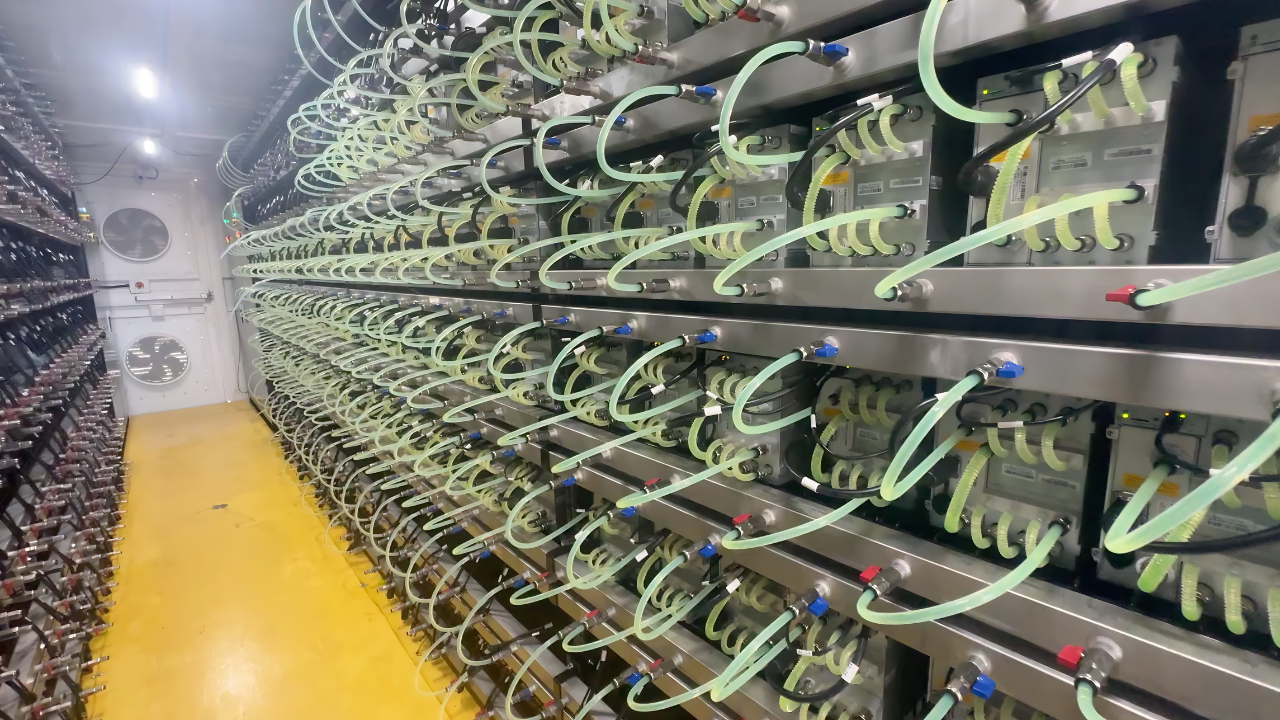
Hosting beats home mining because industrial power runs $0.065 to $0.08 per kWh versus residential at around $0.16. That spread can double or triple your net mining revenue on the same hardware. Power is only half the case, since the data center noise levels an ASIC produces rule out most living spaces before the electric bill does. Read our benefits of Bitcoin miner hosting breakdown for the full case.
| Factor | Home Mining | Hosted Mining |
|---|---|---|
| Electricity cost | Residential rates | Industrial rates |
| Noise and heat | Your problem | Provider manages |
| Maintenance | DIY repairs | On-site technicians |
| Scalability | Limited by home infrastructure | Scale as needed |
What to Look for in a Bitcoin Mining Hosting Provider
Seven factors separate strong hosts from risky ones. Run every candidate through each filter before signing.
Electricity Rates and Pricing Transparency
Get the all-in rate in writing. Competitive providers in 2026 offer $0.065 to $0.08 per kWh. Above $0.085 sits at or near breakeven.
Uptime Guarantees and Precision Billing
Top operators hit 95+ percent uptime over 12-month windows. Precision billing means you pay for hashing hours and not for downtime. Ask how the host handles grid curtailment.
Repair Capabilities and Turnaround Time
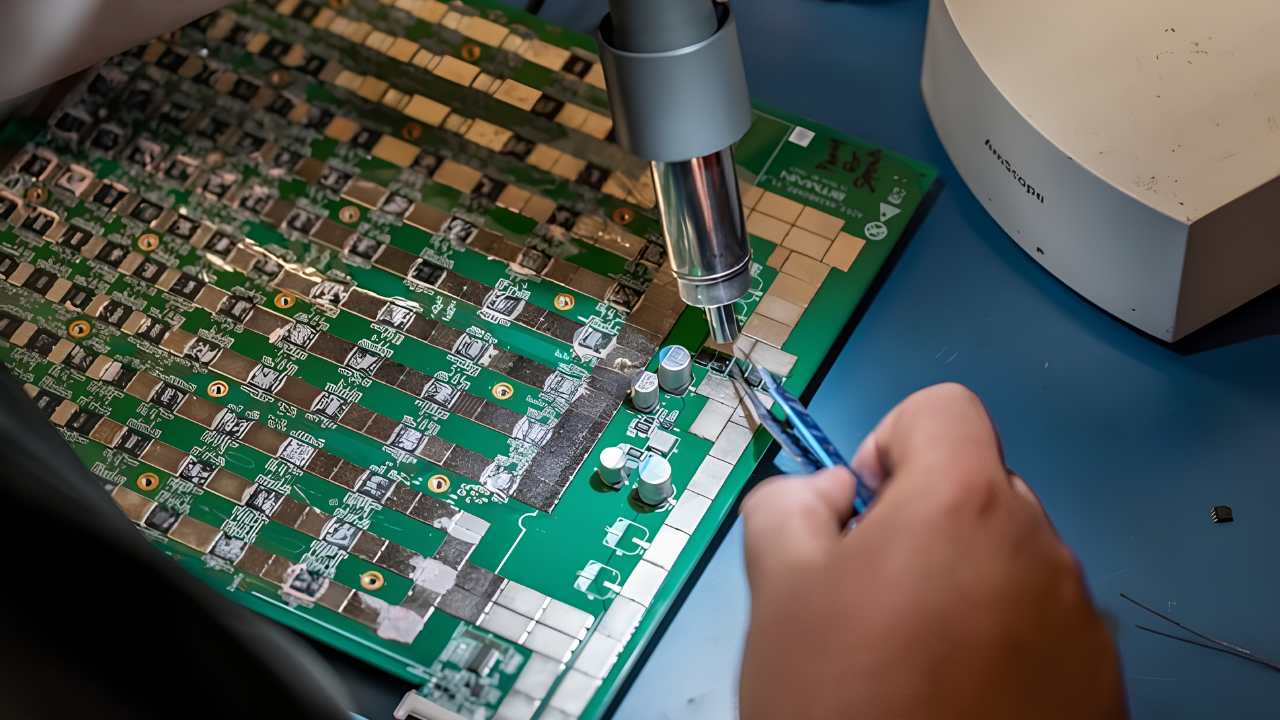
A facility with in-house ASIC repair turns hashboards in 1 to 2 weeks instead of 60 to 120 days in Asia.
Contract Terms and Pause Flexibility
A pause-friendly contract lets you pause your miners during market downturns without losing your slot. Avoid multi-month prepayments.
Physical Security and Facility Standards
A serious host runs 24/7/365 on-site security with fire suppression. A protection plan covers component failures beyond warranty.
Cooling Approach and Heat Density
Air-cooled facilities handle standard ASICs like the Antminer S21 XP at about 25 kW per rack and fit most retail and small institutional deployments. Immersion-cooled and hydro facilities support hydro models like the S21 XP Hydro and S23 Hydro at 50+ kW per rack with lower noise and cooler chip temps. Match the facility cooling approach to the hardware you plan to deploy.
Dashboard Monitoring and Customer Support
A real-time dashboard shows live hashrate and uptime history and projected earnings. Strong hosts answer support questions in under 12 hours.
For depth on any individual factor, see key features of reliable mining hosting.
Understanding Hosting Costs
All-in hosting rates run $0.065 to $0.08 per kWh at competitive U.S. facilities. The cost formula is monthly cost equals power draw in kW times 24 times 30 times the rate times uptime. For the full breakdown of all-in vs pass-through pricing and tiered structure see Bitcoin mining hosting pricing.
Red Flags to Avoid When Choosing a Hosting Provider
Avoid any provider that hides the facility address or dodges fee questions or guarantees specific returns or takes days to respond during sales. Each of these signals operational immaturity or worse.
| Risk | What it looks like | Mitigation |
|---|---|---|
| Hidden fee escalation | Surprise charges on monthly invoice | All-in rate in writing before signing |
| Repair delays | Miner offline 60+ days waiting for parts | Host with in-house Bitmain-certified repair |
| Lock-in during bear market | Paying power on offline miners | Pause clause and 30-day deposit structure |
| Provider insolvency | Hardware stranded in facility | Established track record and retrieval clause |
Vague or Hidden Fee Structures
A provider that cannot give you a written breakdown of every fee is hiding something. Transparent operators publish their rate card. They will email you a fee schedule on the first call. Vague answers about "it depends" or "we can work with you on that" mean the math does not work without a hidden markup.
No Verifiable Facility Location
A legitimate Bitcoin mining hosting provider tells you where your miners physically sit. Ask for the city and state of the facility. Search the address. Real facilities show up on satellite imagery with substations and cooling infrastructure visible from above. Refusal to disclose is a fatal red flag.
Unrealistic Profitability Claims
Any provider that guarantees specific returns or downplays Bitcoin price volatility is either inexperienced or running a scam. Bitcoin mining revenue depends on three variables outside the host's control:
- Bitcoin price
- Network difficulty
- Hashprice in dollars per petahash per day
A serious host shows you the math and the inputs. They never guarantee a return. Promises of fixed yields belong in fixed-income products and not in Bitcoin mining.
Poor Communication and Unresponsive Support
Slow replies during the sales process predict worse service after you sign. Send three questions across email and a sales call before signing. Time the responses. Strong operators respond in under 12 hours during business days. Hosts that take days to answer pre-sale will take weeks once you're a customer.
Questions to Ask a Bitcoin Mining Hosting Provider
Use a structured question list to evaluate any provider on pricing and operations and repairs and hardware before signing. The four categories below cover the variables that decide whether the relationship works. Pull the questions into a spreadsheet. Run every candidate through the same gates.
Pricing and Billing Questions
Pricing questions should surface the dollar cost per month and every fee that sits outside the quoted rate.
- What is your all-in electricity rate per kWh at my deployment size?
- What is included in the quoted rate and what costs sit outside it?
- Do you bill on actual uptime hours or a flat monthly rate?
- Is there a setup or deployment fee per machine?
Operations and Uptime Questions
Operations questions should surface uptime history and curtailment policy and how the host credits downtime back to customers.
- What is your average uptime over the past 12 months?
- How do you handle grid curtailment events?
- Do you credit customers for downtime hours through precision billing?
- What was your largest outage in the past year and what caused it?
Repair and Protection Questions
Repair questions should surface in-house capability and turnaround times and the coverage included with hosted units.
- Do you have on-site repair technicians?
- Is the facility Bitmain certified?
- What is the average turnaround for hashboard and fan repairs?
- What warranty or protection plan coverage is included with hosted units?
Hardware and Onboarding Questions
Hardware questions should clarify whether you can bring your own miners and how fast new units deploy and what monitoring tools you receive.
- Can I bring my own ASIC miners or must I buy from you?
- How long from purchase to hashing on the dashboard?
- What monitoring and reporting tools do I have access to?
- Is there a free trial or risk-free period before full commitment?
How to Calculate Bitcoin Mining Hosting Profitability
Profitability turns on five inputs and one calculation. Plug them into a Bitcoin mining calculator.
As of September 2026: Hashprice sits near $39.76 per PH per day and network hashrate runs near 948.77 EH/s per our Bitcoin network stats. Industry all-in hosting rates range from $0.065 to $0.08 per kWh at competitive facilities. Verify live data before committing capital.
Worked example (as of September 2026):
An Antminer S21 XP delivers 270 TH/s and draws 3.645 kW at 13.5 J/TH. Hardware cost runs about $4,250 when in stock. The host charges $0.075 per kWh all-in at 98 percent uptime under precision billing.
| Line | Calculation | Result |
|---|---|---|
| Daily revenue | 0.270 PH × $39.76 × 0.98 | $10.52 |
| Daily power cost | 3.645 kW × 24 × $0.075 × 0.98 | $6.43 |
| Daily net | $10.52 minus $6.43 | $4.09 |
| Monthly net | $4.09 × 30 | $123 |
| Static payback | $4,250 ÷ $123 | ~35 months |
The number assumes hashprice holds flat. Hashprice can rise with Bitcoin price or fall with network difficulty growth.
Break-Even and ROI Timelines for Hosted Mining
Static payback assumes today's hashprice holds forever. Real payback ships with two risks: Bitcoin price can fall and network difficulty can rise. Run three scenarios:
- Base case at current hashprice
- Bear case at 30 percent lower hashprice
- Bull case at 30 percent higher hashprice
U.S. operators should also model bonus depreciation.
Best Locations for Bitcoin Mining Hosting
The best Bitcoin mining hosting locations combine stable industrial power and cool climates. The Midwest is the standout case. Iowa leads the nation in wind power as a percentage of generation.
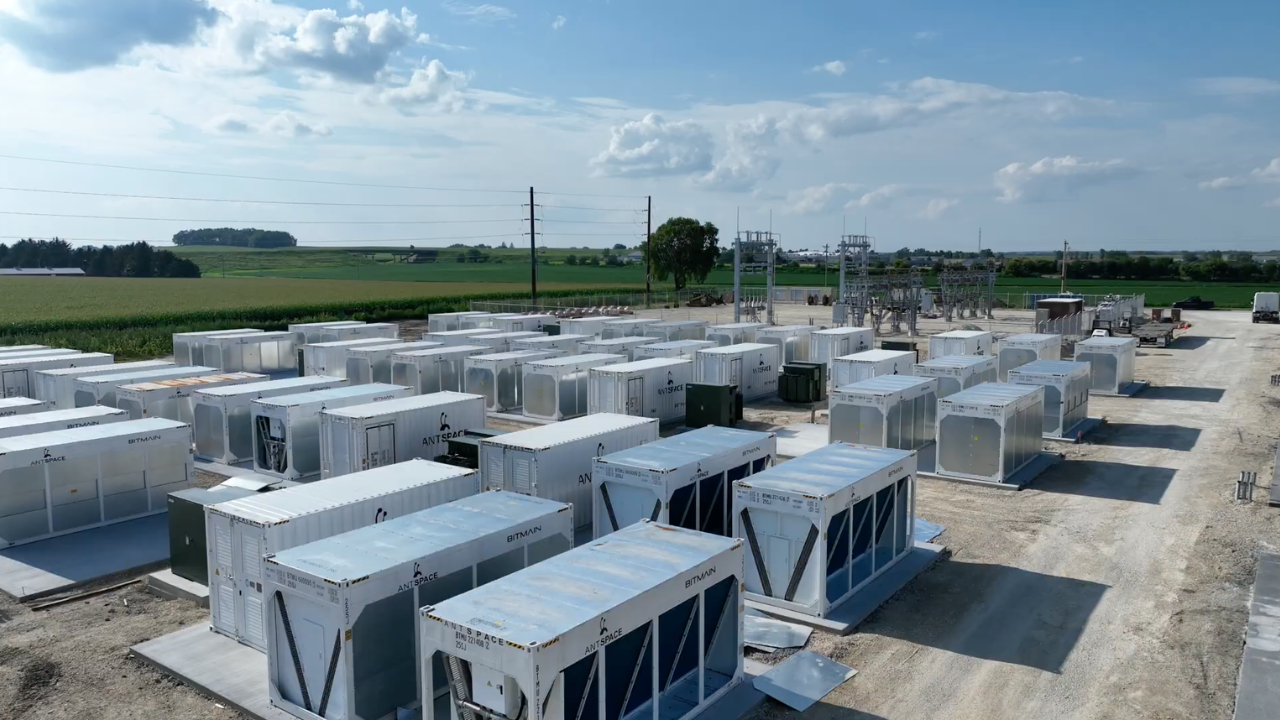
Average summer highs run 10 degrees cooler than Texas. The Mississippi watershed sits well outside hurricane zones. Industrial power flows at some of the lowest rates in the country. Renewable generation matters for both cost and reporting because wind and hydro produce some of the lowest marginal-cost electricity on the grid and institutional miners want a clean carbon profile.
Enterprise and Large Fleet Considerations
Enterprise deployments shift from posted rates to negotiated terms. At 500 kW you get negotiated pricing and a dedicated technical contact. At 1 MW competitive facilities cut the per-kWh rate by 0.5 to 1 cent. Above 5 MW the deal becomes bespoke with site engineering reviews and custom SLA terms.
Institutional capital allocators want a clean carbon profile on Bitcoin mining operations. A facility on a Midwest grid with a ~65 percent renewable mix delivers that profile through underlying generation rather than offsets. Ask for the energy mix breakdown and any RECs included in the contract.
How to Get Started with a Bitcoin Mining Host
1. Research and Compare Hosting Providers
Use this guide to shortlist three providers. Compare each on hosting rates, uptime, repair coverage, and contract terms.
2. Schedule a Consultation or Request a Trial
Talk to each shortlisted provider. Established hosts offer a free 7-day trial at 235 TH/s before you commit.
3. Purchase Miners and Submit Your Hosting Deposit
Choose hardware after the trial. Compare ASIC miners at the provider that performed best. A 30-day hosting deposit is the industry-standard structure.
4. Complete Onboarding and Monitor Your Operation
Send miners to the facility or have the host deploy from in-stock inventory. Watch the dashboard each week.
FAQs About Bitcoin Mining Hosting Providers
Can I still mine Bitcoin profitably in 2026?
Yes. Operators on modern hardware at $0.065 to $0.08 per kWh all-in clear positive net at current hashprice. See our is Bitcoin mining still profitable deep dive.
How much does Bitcoin mining hosting cost in 2026?
Bitcoin mining hosting runs $0.065 to $0.08 per kWh all-in. Tier discounts apply at 500 kW and 1 MW. Rates above $0.085 sit at or near breakeven.
What uptime should I expect from a Bitcoin mining hosting provider?
Industry benchmark uptime sits at 95 to 98 percent across well-run facilities. Precision billing means you pay for hashing hours and not for downtime. Ask for a 12-month uptime log before signing.
Do I need to buy miners from my hosting provider or can I bring my own?
Policies vary. Some hosts require purchase through their inventory. Others accept customer-owned hardware after inspection.
Can I visit my miners at the hosting facility?
Reputable providers allow facility tours by appointment. Ask about visitation policy on your evaluation calls.
How to Choose the Right Provider for Your Mining Operation
The right hosting provider scores well on seven fronts: power transparency. Uptime. Repair coverage. Contract flexibility. Security. Cooling fit. Support. Use the framework in this guide to evaluate every candidate. Run them through the questions. Test the trial. Then commit.
Simple Mining runs 9+ EH/s across 150+ MW from our Iowa facilities. We hit 95 percent or higher average uptime. Precision billing means customers pay for hashing hours and not for downtime. Hosted units get 12 months of repair coverage at our in-house Bitmain-certified bench. A 30-day hosting deposit is the single up-front commitment before service begins.
The cheapest rate is rarely the cheapest hosting. Pick the operator you would still want to work with at the worst hashprice you can imagine.
Run the framework. Take the free 7-day trial. Schedule a hosting consultation to start.