

The Complete Guide to Hosted Bitcoin Mining in 2026
By Josh Heine, Content Strategist at Simple Mining
Updated October 20, 2026Published January 30, 2025
Hosted Bitcoin mining lets you own the hardware while someone else runs it. You buy the ASIC miner. A professional data center handles power, cooling, and maintenance. You collect the Bitcoin it produces. The model combines direct hardware ownership with zero operational burden. For investors looking beyond spot Bitcoin purchases, hosted mining offers a productive asset that generates BTC over time.
This guide covers how hosted mining works, what it costs, how to evaluate providers, and how to get started with your first deployment.
On this page · 14 sections
- What Is Hosted Bitcoin Mining
- How Hosted Bitcoin Mining Works
- Hosted Mining vs Cloud Mining vs Home Mining
- Why Investors Choose Hosted Bitcoin Mining
- How Much Does Hosted Bitcoin Mining Cost
- What Affects Hosted Mining Profitability
- How to Choose a Bitcoin Mining Host
- Hardware Selection for Hosted Bitcoin Mining
- Risks of Hosted Bitcoin Mining
- How to Get Started with Hosted Bitcoin Mining
- How to Maximize Hosted Mining Returns
- The Future of Hosted Bitcoin Mining
- FAQs About Hosted Bitcoin Mining
- Start Mining Bitcoin with a Trusted Host
Key Takeaways
- Hosted Bitcoin mining means you buy the ASIC hardware and a professional data center runs it. You own the asset. They handle the operations.
- Total costs include hardware ($4,250–$15,000), a hosting deposit (30 days), and ongoing power at $0.065–$0.08/kWh at professional facilities.
- Profitability depends on Bitcoin price, network difficulty, hardware efficiency (J/TH), electricity cost, and uptime. Lower power costs and faster repairs create wider margins.
- Choose a host based on repair capabilities, billing transparency, data center location, energy costs, security, and contract flexibility. Not every low-rate provider delivers the best total value.
- Hardware ownership opens the door to depreciation benefits, pause flexibility during downturns, and the ability to relocate or sell your equipment at any time.
What Is Hosted Bitcoin Mining
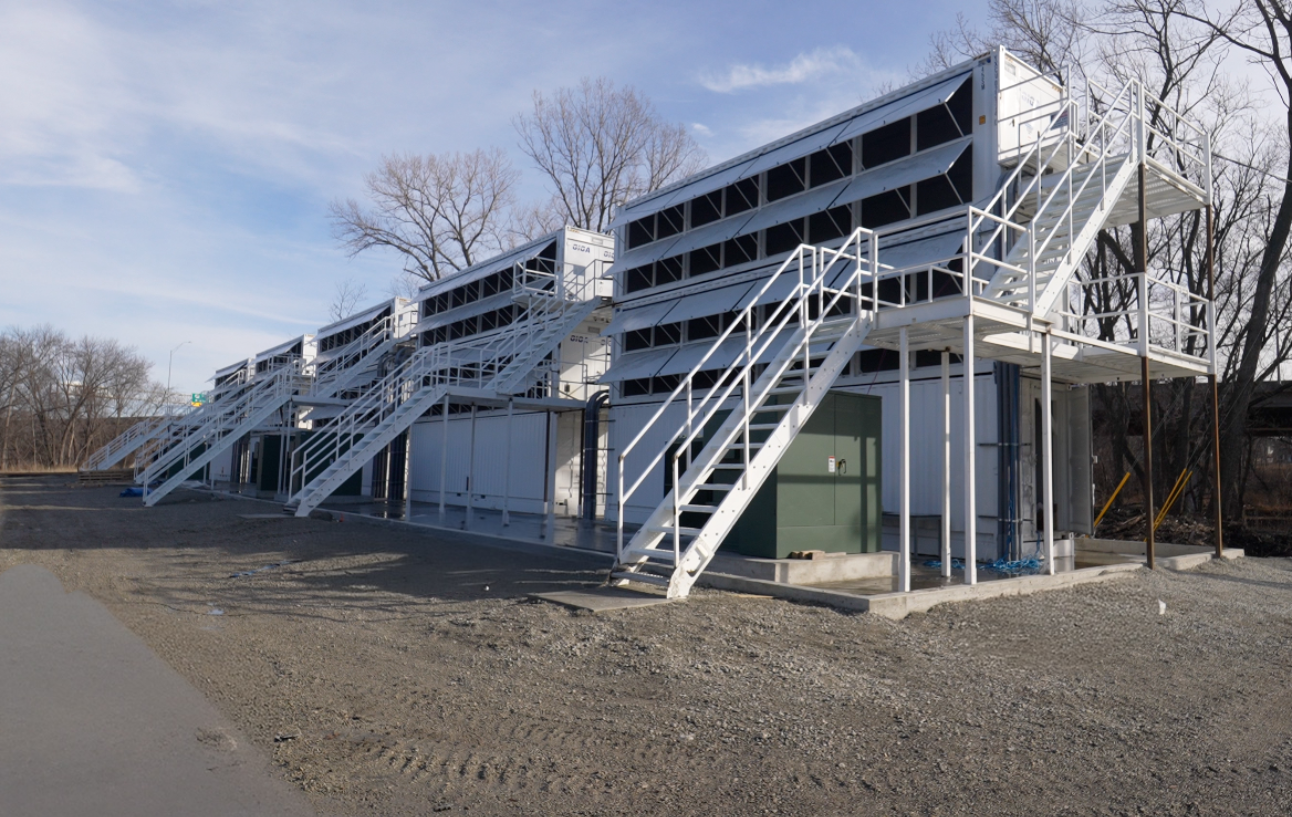
Hosted Bitcoin mining is an arrangement where you buy specialized mining hardware and a professional data center operates it for you. You own the physical machine. The hosting provider handles power, cooling, and security for a fee based on electricity consumption.
Think of it like owning rental property but hiring a property manager. You hold the deed to the hardware. Someone else keeps it running 24/7 at facilities designed for this purpose.
Unlike buying Bitcoin on an exchange, hosted mining gives you a productive asset that generates BTC over time. Because you own the equipment, you may qualify for tax benefits that spot purchases do not offer. Consult a tax professional for your specific situation.
How Hosted Bitcoin Mining Works
You own the miner. The host handles power, cooling, and security for a fee based on electricity consumption. The model is straightforward once you understand three pieces: what the miners do, who owns what, and where your Bitcoin goes.
The Mining Process Explained
ASIC miners are purpose-built machines that solve cryptographic puzzles to validate Bitcoin transactions. This process is called proof-of-work. It secures the network and creates new Bitcoin as a reward.
Hashrate measures your miner's computational power in terahashes per second (TH/s). More hashrate means more chances to earn Bitcoin. When your miner contributes valid work to the network, you receive a proportional share of block rewards and transaction fees.
The Ownership Model
You purchase the ASIC hardware outright. The hosting facility provides industrial-grade power, climate-controlled environments, and physical security. It also handles ongoing technical maintenance.
This differs from cloud mining contracts in a critical way. With hosted mining, you can inspect, relocate, or sell your equipment at any time. You hold an asset on your balance sheet. Cloud mining gives you a contract with no underlying hardware.
Hardware ownership also opens the door to depreciation benefits. Tax situations vary, so consult a qualified professional before making decisions based on potential write-offs.
What Happens to Your Mined Bitcoin
Rewards flow to your wallet or mining pool account. The hosting provider deducts their fees. You keep the rest.
The best hosts use precision billing models that charge only for actual uptime. If your miner goes offline for repairs, you do not pay electricity costs during that downtime. This distinction matters more than most investors realize. A provider that bills for wall time regardless of machine status costs you money every time hardware needs attention.
Hosted Mining vs Cloud Mining vs Home Mining
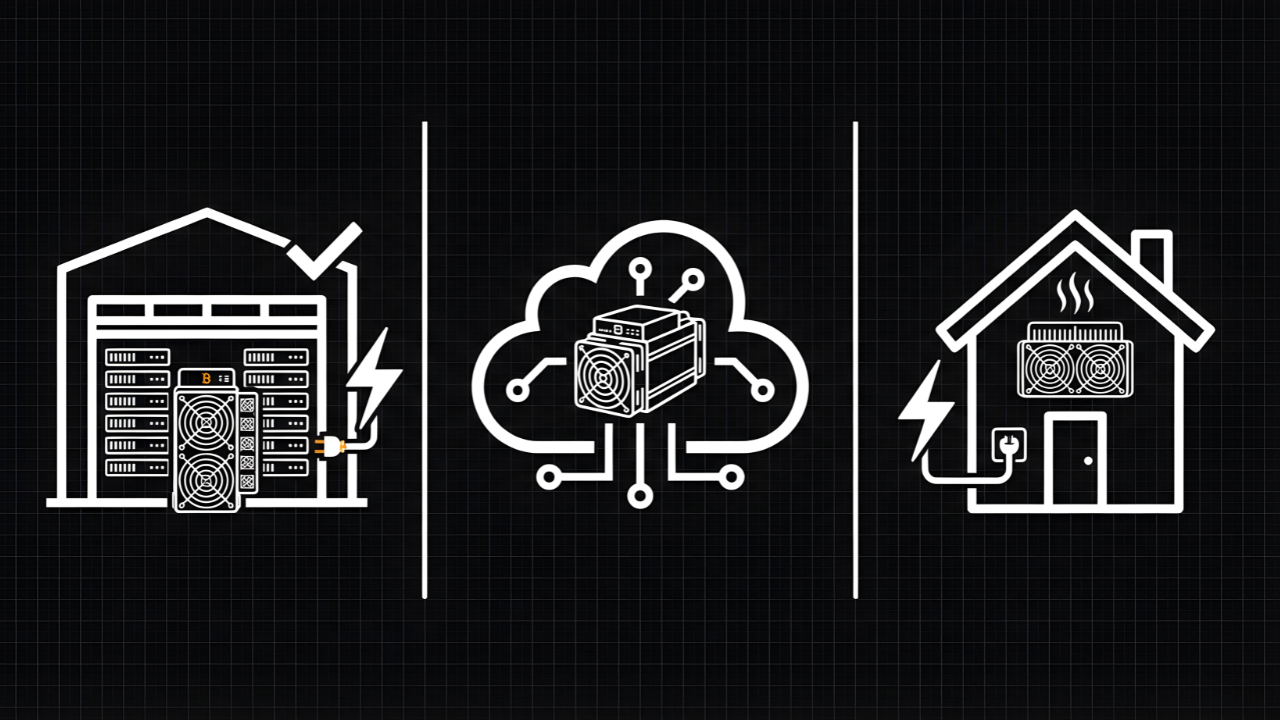
Hosted mining gives you hardware ownership with professional operations. Cloud mining rents hashrate with no ownership. Home mining requires you to manage everything yourself.
| Feature | Hosted Mining | Cloud Mining | Home Mining |
|---|---|---|---|
| Hardware ownership | You own the equipment | No ownership. You rent hashrate | You own the equipment |
| Operational control | Provider manages operations | Provider controls everything | You manage everything |
| Upfront costs | Hardware purchase + deposit | Contract fee | Hardware + electrical upgrades |
| Ongoing costs | Electricity + hosting fees | Contract terms | Electricity + maintenance |
| Technical knowledge | Minimal | None | Significant |
| Scalability | High. Add more miners with ease | Limited by contract | Constrained by home infrastructure |
Hosted mining places you in the best position as a hands-off investor. You own hardware. A professional operator runs it. You benefit from industrial power rates and expert maintenance without touching a single cable.
Cloud mining lowers the barrier to entry but removes your control. You rent hashrate from someone else's machines. Many cloud mining operations have proven to be scams. Without hardware ownership, you have no asset to sell or relocate if the provider underperforms.
Home mining gives you total control but demands significant infrastructure. Residential electricity runs $0.12–$0.15/kWh in most U.S. markets. ASIC miners generate 75+ decibels of noise and require dedicated cooling. Most home setups cannot compete with industrial-scale operations on cost.
Why Investors Choose Hosted Bitcoin Mining
Hosted mining removes the operational burden while preserving direct ownership and tax benefits. It also gives you the flexibility to pause during unfavorable conditions. Several factors make the model attractive for investors with deployable capital.
No Operational Burden
Hosting providers handle setup, cooling, and monitoring. You can mine Bitcoin from anywhere in the world without managing physical infrastructure.
This matters for busy professionals and family offices. It matters for anyone who wants Bitcoin exposure without becoming a full-time mining operator. The host takes care of the technical complexity. You focus on your investment thesis.
Access to Low-Cost Electricity
Data centers negotiate industrial power rates unavailable to residential customers. While you might pay $0.12–$0.15/kWh at home, professional facilities often secure all-in rates between $0.065–$0.08/kWh (tiered by deployment size).
That difference compounds over thousands of operating hours. A single miner consuming ~3.5 kW runs through roughly 2,500 kWh per month. At $0.13/kWh, that costs ~$325/month. At $0.075/kWh, it costs ~$188/month. The ~$137/month savings per machine adds up fast across a fleet.
Professional Maintenance and Repairs
Hardware breaks. Fans fail. Control boards overheat. Hash boards degrade. The question is not whether your miner will need repairs. The question is how fast those repairs happen.
In-house repair facilities with certified technicians fix machines on site. Third-party repair shops can take 2–4 weeks. Every day offline is revenue lost. The best hosts include repair coverage as part of the service. At Simple Mining, new miners ship with 12 months of repair coverage that includes free repair labor, unlimited fan replacements, and a $500/year parts allowance per miner for PSUs, control boards, and hashboards, with parts above the allowance billed to you.
From an operator's perspective, repair capability is the single biggest uptime lever in hosted mining. A facility with on-site technicians and a parts inventory can get a machine back online fast. Most providers are still processing the support ticket by then.
Tax Advantages of Equipment Ownership
Hardware ownership may qualify for depreciation benefits that buying spot Bitcoin does not offer. Bonus depreciation rules can allow significant first-year write-offs on mining equipment.
This is one of the primary reasons high-net-worth individuals and family offices explore hosted mining. The ability to depreciate a physical asset while it generates Bitcoin creates a tax structure that pure spot exposure cannot replicate.
Tax situations vary. Consult a qualified professional for your circumstances.
Flexibility to Pause During Downturns
Some hosts allow you to pause operations during unfavorable market conditions. This reduces electricity costs while you wait for better hashprice environments.
Pausing is a powerful risk management tool. Without it, you face two bad choices during a downturn: mine at a loss or sell equipment into a depressed market. Pause-friendly hosting gives you a third option: wait.
Not every host offers this. Some charge fees to pause. Others require minimum commitment periods that prevent pausing. Ask about pause terms before you sign a contract.
How Much Does Hosted Bitcoin Mining Cost
Total cost includes hardware ($4,250–$15,000), a hosting deposit (typically 30 days), and ongoing power at $0.065–$0.08/kWh at professional facilities. Understanding the full cost structure helps you estimate capital requirements and model potential returns.
Upfront Hardware Costs
ASIC miner prices vary by efficiency and hashrate. Current-generation machines range from $4,250 to $15,000 depending on specifications. Older and less efficient models cost less but produce less Bitcoin per dollar of electricity consumed.
Use a mining profitability calculator to compare estimated revenue against hardware investment before you buy. The goal is to find the best ratio of efficiency to price for current network conditions.
Electricity and Hosting Rates
All-in power rates at professional facilities range from $0.065–$0.08/kWh. Some providers structure pricing by power consumption tiers. Larger deployments consuming 500+ kW or 1,000+ kW may receive lower rates.
Electricity represents 75–85% of ongoing operational costs. Even small differences in $/kWh compound over a miner's operational lifetime. A $0.01/kWh difference on a 3.2 kW machine translates to roughly $23/month. Across 10 machines over 3 years, that gap becomes $8,300.
Watch for hidden fees buried in hosting agreements. Some providers advertise low headline rates but add surcharges for maintenance, monitoring, or network connectivity. The all-in rate is the number that matters.
Maintenance and Repair Costs
Some providers include repairs in hosting fees. Others charge per repair or offer protection plans that cover repair labor, fan replacements and a parts allowance.
Ask about repair coverage before you sign. A "cheap" host without included repairs can cost more in total once you factor in per-incident repair charges and the extended downtime that comes with outsourced service.
Security Deposits and Fees
Most hosts require a hosting deposit paid upfront. A common structure is 30 days of estimated consumption. For a 3.2 kW miner at $0.075/kWh, that works out to roughly $173.
Some providers also charge setup fees or require minimum commitment periods. Read the contract. Know what you owe before hardware ships.
What Affects Hosted Mining Profitability
Profitability depends on Bitcoin price, network difficulty, hardware efficiency, electricity cost, and uptime. Several variables interact to determine your return on investment.
Bitcoin Price and Market Conditions
Revenue is denominated in BTC but valued in fiat for profitability calculations. A significant drop in Bitcoin price cuts your dollar-denominated revenue even if your hashrate stays constant.
Price volatility is the variable you cannot control. What you can control is your cost structure. Low electricity, efficient hardware, and high uptime create a wider margin of safety against price drops.
Network Difficulty and Halving Cycles
Network difficulty adjusts roughly every two weeks based on total hashrate. When more miners join the network, difficulty increases and your share of rewards decreases. When miners leave, difficulty drops and your share grows.
Halving events occur roughly every four years. They cut block rewards in half. The April 2024 halving reduced rewards from 6.25 BTC to 3.125 BTC per block. The next halving is expected in 2028.
Each halving reduces the Bitcoin you earn per unit of hashrate. Historically, price appreciation has more than offset the reward reduction, but past performance does not guarantee future results.
Hardware Efficiency Metrics
Efficiency measures how much power your miner consumes per unit of hashrate. It is expressed as joules per terahash (J/TH). Lower numbers are better.
A miner rated at 11–15 J/TH produces more Bitcoin per dollar of electricity than one rated at 25 J/TH. The difference is substantial. At $0.075/kWh, the efficient machine might generate positive margin while the older unit mines at a loss.
Use a mining calculator to model profitability with your specific hardware specs and current market conditions.
Uptime and Operational Reliability
Downtime means lost revenue. A machine that runs 98% of the time earns roughly 3% more Bitcoin per year than one running at 95%. That gap widens across larger deployments.
Look for providers with high uptime commitments and precision billing that credits you for any downtime. Ask for historical uptime data. Promises matter less than track records.
From an operator standpoint, uptime depends on three things: power grid stability, cooling system reliability, and repair speed. A provider strong in all three will outperform one that excels at only one.
How to Choose a Bitcoin Mining Host
Evaluate repair capabilities, billing transparency, location, energy costs, security, support quality, and contract flexibility. Not every provider that advertises low rates delivers the best total value.
Repair Capabilities and Turnaround Time
Ask whether repairs are handled in-house or outsourced. In-house repair facilities with certified technicians deliver faster turnaround. Days matter when a machine earning $5–$10/day sits idle.
The best repair operations maintain parts inventory on-site. They stress-test machines after repair to verify full hashrate recovery. They track failure patterns across their fleet to catch problems before they spread.
Cost Transparency and Billing Practices
Avoid providers with hidden fees or vague pricing structures. Precision billing charges you only for actual uptime and protects against paying for downtime.
Ask these questions before signing: Is the rate all-in or does it exclude certain costs? Are you billed on nameplate power or wall draw? Are there charges for pausing or relocating? What happens to your deposit if you leave?
Data Center Location and Climate
Cooler climates reduce cooling costs and extend hardware lifespan. Stable electrical grids with low natural disaster risk minimize operational disruptions.
Iowa, for example, ranks as a top wind-energy state with a cool climate and a stable power grid. Facilities in this region benefit from lower cooling overhead and access to renewable energy sources.
Energy Costs and Renewable Sources
Compare all-in power rates across providers. Make sure you compare apples to apples. Some quote power-only rates. Others include all operational costs in the headline number.
Renewable-heavy energy may align with ESG preferences. It can also position you well as regulatory scrutiny of mining's environmental impact increases. A facility running on a ~60% renewable energy mix offers a different risk profile than one powered by 100% fossil fuels.
Physical and Digital Security
Confirm 24/7 on-site security, surveillance systems, and access controls. Digital security includes monitoring dashboards and alert systems that notify you of performance changes or curtailments.
Mining equipment is valuable. Theft and unauthorized access are real risks. A provider that cannot demonstrate physical and digital security protocols should raise a red flag.
Customer Support and Response Time
Direct access to real support matters when issues arise. Look for providers offering dedicated account contacts rather than generic support tickets.
Ask about communication policies. How fast do they respond to questions? Do they notify you about repairs and curtailments before you have to ask? Overcommunication from a host is a feature, not a bug.
Contract Flexibility and Exit Terms
Understand minimum commitments, pause options, and what happens if you want to relocate or sell hardware. Avoid multi-year lock-ins with steep penalties.
The best contracts offer 12-month renewable terms with 30-day notice provisions. If energy rates increase, you want the option to leave without paying a penalty.
Hardware Selection for Hosted Bitcoin Mining
Choose ASIC miners based on three specs: hashrate (TH/s), power consumption (watts), and efficiency (J/TH). Your hardware choice is the first major decision in hosted mining.
Understanding ASIC Miners
ASIC stands for Application-Specific Integrated Circuit. These are purpose-built machines that do one thing: compute SHA-256 hashes as fast as possible. Unlike general-purpose computers, ASICs focus all their power on Bitcoin mining.
Leading manufacturers include Bitmain (Antminer series), MicroBT (Whatsminer series), and Canaan (Avalon series). Each releases new models as chip technology improves.
Efficiency Metrics That Matter
Three specifications drive your hardware decision:
- Hashrate (TH/s): Computational power. Higher means more chances to earn rewards.
- Power consumption (W): Electricity draw. Lower means lower operating costs.
- Efficiency (J/TH): Power per unit of hashrate. Lower is better.
Current top-tier machines operate around 9.5–15 J/TH. Older models run at 25–35 J/TH. At higher hosting rates, older machines become unprofitable while efficient units continue to generate positive returns.
Popular Miners for Hosted Operations
Reputable hosts offer curated selections of efficiency-focused miners. When evaluating options, compare specs including power consumption, efficiency ratings, estimated hosting costs, and projected revenue based on current network conditions.
Browse available miners from trusted sources. Cross-reference specs with a mining calculator to project returns before committing capital. The right machine at the right time makes a meaningful difference in total ROI.
Risks of Hosted Bitcoin Mining
The main risks are Bitcoin price volatility, hardware downtime, and provider counterparty exposure. Transparency about downsides helps set realistic expectations.
Market Volatility and Price Risk
Bitcoin price can drop 50% or more in months. Even with efficient operations and low electricity costs, severe price declines can eliminate profitability. The October 2025 high near $126,000 and the pullback into the $65,000 to $70,000 range by March 2026 illustrate this reality. Bitcoin trades near $82,000 as of October 2026.
No one can predict price. What you can do is build a cost structure that remains viable across a wide range of price scenarios.
Operational Risks and Downtime
Hardware failures, power outages, and facility issues cause lost revenue. Even well-run facilities experience occasional problems. Fans wear out. Power grids face weather events. Control boards overheat.
Evaluate your provider's uptime track record. Ask for real data, not marketing claims. A facility with 95%+ uptime and on-site repair capabilities handles these realities better than one that outsources maintenance.
Provider Risk and Counterparty Exposure
If a host goes out of business or mismanages operations, your investment is at risk. Due diligence on provider reputation and financial stability matters.
Check reviews. Ask for client references. Verify how long the company has operated. Look for independent ratings and industry recognition. A provider managing 40,000+ machines with a track record and a physical facility you can visit carries less counterparty risk than an anonymous operation.
Mitigation Strategies and Protection Plans
Protection plans that cover repair labor, fan replacements and a parts allowance reduce your risk exposure. Some providers credit hardware value if a miner proves unrepairable.
Diversification also helps. Spread your deployment across multiple machines rather than concentrating capital in a single unit. If one machine fails, the rest of your fleet continues producing.
How to Get Started with Hosted Bitcoin Mining
Getting started takes four steps: research your miner, contact the host, purchase hardware and deposit, and access your dashboard. The onboarding process is simpler than most investors expect.
1. Research and Select Your Miner
Use revenue comparison data and mining calculators to evaluate hardware options. Compare hashrate and power consumption against current market conditions. Pay close attention to efficiency ratings and price.
Focus on machines with the best J/TH efficiency within your budget. A more efficient miner costs more upfront but produces more Bitcoin per dollar of electricity over its lifetime.
2. Contact the Hosting Provider
Schedule a call, complete an inquiry form, or email the sales team. Ask questions about pricing, support response times, contract terms, and pause policies.
Good providers welcome questions. They want informed customers who understand the model. If a provider avoids direct answers or rushes you past due diligence, move on.
3. Purchase Hardware and Pay Deposits
Buy your miner(s) and pay the required hosting deposit. A typical deposit covers 30 days of estimated consumption. Confirm delivery timeline and expected deployment date.
Some providers offer a free trial period so you can test the dashboard and infrastructure before committing significant capital. Simple Mining provides a free 7-day trial with 235 TH/s of hashrate. No obligation required.
4. Complete Onboarding and Access Your Dashboard
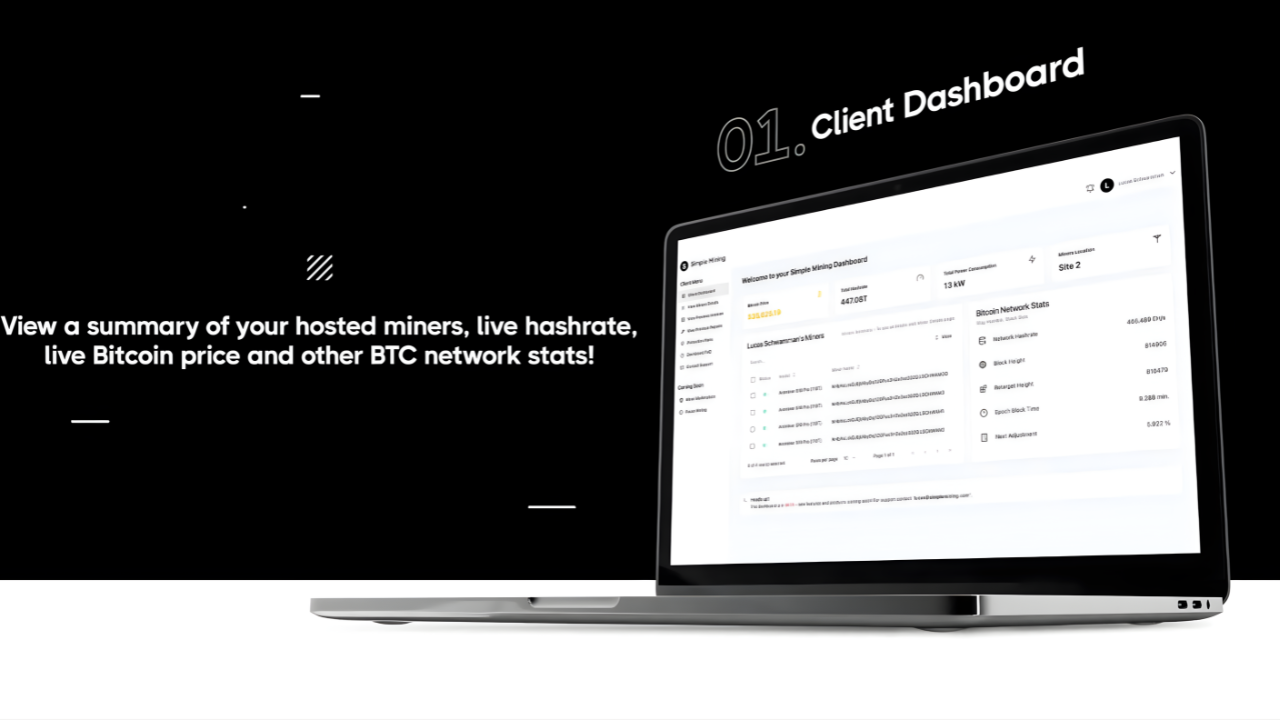
Receive credentials for the customer dashboard to monitor hashrate, uptime, and earnings in real time. Point your hashrate to your preferred mining pool.
A good dashboard gives you visibility into machine performance, billing details, and repair status. It should feel like a window into your operation, not a black box.
How to Maximize Hosted Mining Returns
Maximize returns by prioritizing efficient hardware, monitoring market conditions, pausing during downturns, and choosing a reinvestment strategy. Once your miners are online, several approaches can optimize your results.
Optimize Hardware Selection for Efficiency
Prioritize miners with the best J/TH efficiency for your budget. More efficient hardware produces more BTC per kWh consumed. When newer models offer meaningful efficiency gains, consider upgrading.
The math here is simple. If a new machine produces 30% more Bitcoin per dollar of electricity, the upgrade pays for itself faster than holding an aging unit through diminishing returns.
Monitor Market Conditions and Timing
Track Bitcoin price, network difficulty, and halving cycles. Hashprice, the dollar value of hashrate, fluctuates with these variables. Knowing where hashprice stands relative to your breakeven helps you make better operational decisions.
Use Pause Features During Volatility
If your host offers pause-friendly hosting, consider stopping operations during unfavorable market conditions. This reduces electricity costs while you wait for a recovery.
Pausing is not giving up. It is capital preservation. The best operators treat the pause option as a strategic tool, not a sign of failure.
Reinvest or Accumulate Strategically
Decide whether to sell mined Bitcoin right away, hold long-term, or reinvest in additional hardware. Your approach depends on cash flow needs, tax situation, and market outlook.
Some investors sell BTC monthly to cover hosting costs and hold the surplus. Others accumulate through full market cycles. Neither approach is universally correct. The right strategy matches your financial goals.
The Future of Hosted Bitcoin Mining
Hosted mining is expanding as post-halving economics, improving hardware efficiency, and institutional demand reshape the industry.
Post-Halving Market Dynamics
The April 2024 halving reduced block rewards from 6.25 BTC to 3.125 BTC per block. Historically, halving events precede price appreciation as supply growth slows. Miners face lower per-block revenue right after halvings, but those with efficient operations and low power costs tend to survive and benefit as weaker operators exit.
Evolving Hardware Efficiency Standards
Next-generation ASICs continue improving. Current top-tier machines at 9.5–15 J/TH will eventually become mid-tier as manufacturers push further below 10 J/TH. Most miners have productive lifespans of 3–5 years before efficiency improvements make replacement worthwhile.
Plan for hardware upgrades. The machine you buy today generates strong returns now, but it will not be the best option forever. Providers that offer upgrade programs and a miner marketplace make the transition easier.
Institutional Adoption Trends
Growing institutional interest in Bitcoin mining as an alternative investment continues driving demand for professional hosting infrastructure. Family offices and registered investment advisors are exploring mining as a productive Bitcoin allocation. Corporate treasuries running a Bitcoin treasury strategy are following the same path.
This trend favors established hosting providers with institutional-grade operations and transparent billing. Compliance readiness and scalable infrastructure give these providers an edge.
FAQs About Hosted Bitcoin Mining
What happens to my miners if the hosting provider goes out of business?
You retain ownership of your hardware and can arrange to retrieve or relocate your equipment. Recovery logistics depend on the provider's contractual terms and facility access arrangements. Choose providers with clear asset-recovery language in their contracts.
Can I visit the data center where my miners are hosted?
Most providers allow scheduled site visits with advance notice. Policies vary. Confirm visitation rights before signing a hosting agreement.
How do I verify my miners are actually running?
Reputable hosts provide customer dashboards with real-time monitoring of hashrate, uptime, and earnings. Mining pool dashboards also show your contributed hashrate separate from the host's reporting.
What is the typical breakeven timeline for hosted Bitcoin mining?
Breakeven depends on hardware cost, hosting rates, Bitcoin price, and network difficulty. Use a mining calculator with current data to estimate your specific timeline. Variables change, so recalculate periodically.
Do I need technical knowledge to start hosted Bitcoin mining?
No technical expertise is required. The hosting provider handles all setup, maintenance, and troubleshooting. You monitor performance through an online dashboard.
Can I move my miners to a different hosting provider?
Yes. You own the hardware and can relocate it. You may incur shipping costs, experience downtime during transit, and face contract termination fees depending on your agreement.
What insurance options exist for hosted Bitcoin mining equipment?
Simple Mining's protection plan is repair coverage, not insurance. Equipment insurance is a separate product you buy from a third-party insurer.
Start Mining Bitcoin with a Trusted Host
Hosted Bitcoin mining combines hardware ownership with hands-off operation. You get direct exposure to Bitcoin production, potential tax advantages from equipment depreciation, and professional infrastructure without building it yourself.
The key is finding a mining hosting service with transparent pricing, strong repair capabilities, high uptime, and responsive support.
Own the miner. Control the Bitcoin. Let professionals handle the rest.
Simple Mining operates 40,000+ machines across U.S. facilities in Iowa. Hosting fees run $0.065–$0.08/kWh with a ~60% renewable energy mix. Miners purchased through Simple Mining include 12 months of repair coverage. Precision billing charges for actual uptime. You can pause at any time. Start with a free 7-day trial using 235 TH/s of hashrate. No obligation required.