

What Is Bitcoin Mining? How It Works and How to Start in 2026
By Josh Heine, Content Strategist at Simple Mining
Updated October 12, 2026Published November 26, 2025
Bitcoin mining is the process of using specialized computers to validate transactions on the Bitcoin network and earn newly created Bitcoin as a reward. It's how new Bitcoins enter circulation and how the network stays secure without banks or central authorities.
This guide covers how mining works, what equipment you need, and the different ways to start mining in 2026.
Key Takeaways
- Bitcoin mining uses specialized ASIC computers to validate transactions and earn newly created Bitcoin, securing the network without central authorities.
- Proof of work, the halving schedule, and automatic difficulty adjustments work together to keep Bitcoin's issuance predictable and the network tamper-resistant.
- Three mining approaches exist (solo, pool, hosted), and hosted mining removes operational complexity for investors who want Bitcoin exposure without managing infrastructure.
- Profitability hinges on electricity costs, hardware efficiency, Bitcoin's price, and network difficulty, with power rate being the single biggest lever.
- Protect your investment by choosing reputable providers, avoiding cloud mining scams, securing your wallet, and understanding that hardware failures are a normal part of operations.
What Is Bitcoin Mining
Bitcoin mining is the process of using specialized computers called ASICs to solve complex mathematical problems that secure the Bitcoin network. It serves two purposes: validating and recording transactions on the blockchain and introducing new Bitcoins into circulation. Miners who solve these puzzles earn newly minted Bitcoin plus transaction fees as a reward.
Think of miners as the accountants of the Bitcoin network. They verify that transactions are legitimate, bundle them into blocks, and add those blocks to a permanent public ledger called the blockchain. Without miners, there's no way to confirm that the Bitcoin someone sends belongs to them.
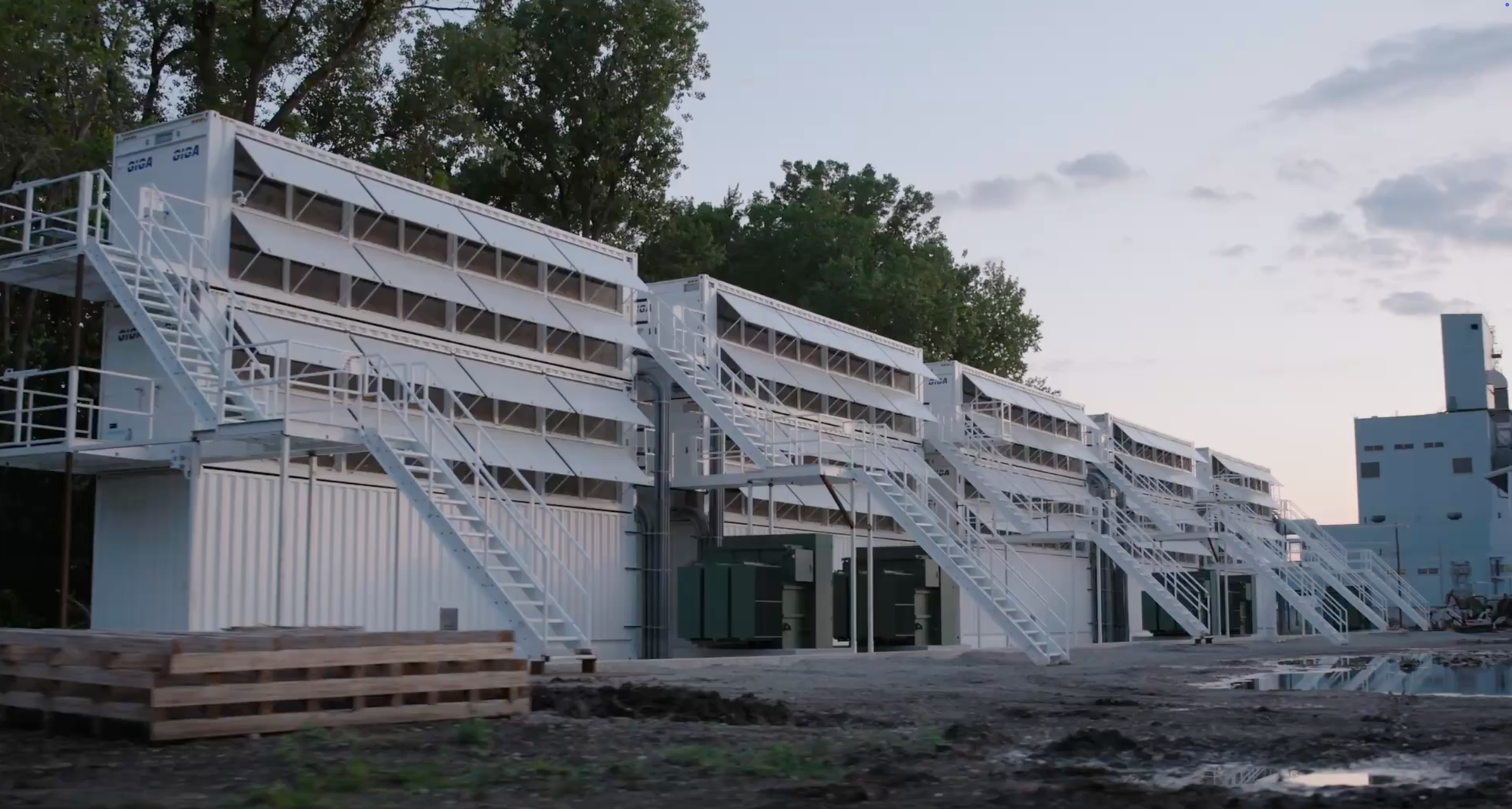
The process is resource-intensive by design. This computational effort (called proof of work) is what makes Bitcoin secure. No single entity can manipulate the transaction history because doing so would require more computing power than the rest of the network combined.
How Does Bitcoin Mining Work
Mining is a competitive race to solve cryptographic puzzles. The first miner to find a valid solution gets to add the next block of transactions to the blockchain and claim the reward.
Hashing and Cryptographic Puzzles
A hash is a fixed-length string of letters and numbers generated from any input data using a mathematical function. Bitcoin uses the SHA-256 algorithm, which produces a unique 64-character output regardless of input size.
Miners compete to find a hash that falls below a specific target value set by the network. They do this by adjusting a variable called a nonce (a random number) and running the data through the hash function until someone finds a winning combination. Trillions of guesses happen per second across the entire network.
Proof of Work
Proof of work (PoW) is the consensus mechanism that requires miners to expend real computational energy to validate transactions. This energy expenditure gives Bitcoin its security.
Reversing or faking a transaction would require redoing all the computational work for that block and every block after it, faster than the rest of the network adds new blocks. The cost of attempting fraud far exceeds any potential gain. PoW eliminates the need for a central authority because the network reaches agreement through math and energy rather than trust.
Block Rewards and the Bitcoin Halving
Miners receive newly created Bitcoin for each block they mine. The current block reward is 3.125 BTC, paid out roughly every 10 minutes to whichever miner or pool solves the puzzle first.
The Bitcoin halving is a programmed event that cuts block rewards in half approximately every four years (every 210,000 blocks). This mechanism controls Bitcoin's inflation rate and ensures that only 21 million Bitcoins will ever exist. The most recent halving occurred in April 2024, and the next is expected in 2028.
Mining Difficulty
Difficulty measures how hard it is to find a valid hash. The Bitcoin network adjusts this value every 2,016 blocks (roughly every two weeks) to maintain an average block time of 10 minutes.
If more miners join and blocks are found too fast, difficulty increases. If miners leave and blocks slow down, difficulty decreases. This self-regulating mechanism keeps Bitcoin's issuance schedule predictable regardless of how much computing power is pointed at the network.
What Is a Bitcoin Miner
The term "Bitcoin miner" refers to both the specialized hardware used for mining and the person or entity operating it.
ASIC Mining Hardware
ASIC stands for Application-Specific Integrated Circuit. It's a computer chip designed to do one thing: compute SHA-256 hashes as fast as possible.
Early Bitcoin mining used regular CPUs, then graphics cards (GPUs). Today, ASICs dominate because they're orders of magnitude more efficient. Popular models include the Bitmain Antminer series and MicroBT Whatsminer series.
When evaluating ASIC miners, three specifications matter most:
- Hashrate: The speed at which the miner solves puzzles, measured in TH/s (terahashes per second). Higher is better.
- Power consumption: How much electricity the hardware draws, measured in watts. Lower is better.
- Efficiency: The ratio of hashrate to power, measured in J/TH (joules per terahash). Lower means more Bitcoin per dollar of electricity.
Mining Software and Pools
Mining software connects your ASIC to the Bitcoin network and directs its work. It communicates with a mining pool, which is a group of miners who combine their hashrate to increase their collective chances of earning rewards.
A single ASIC competing against the entire network might wait years to find a block on its own. Pools allow miners to receive smaller, more frequent payouts proportional to the hashrate they contribute.
Power and Cooling Requirements
ASIC miners consume significant electricity and generate substantial heat. A single machine might draw 3,000+ watts, comparable to running three space heaters nonstop.
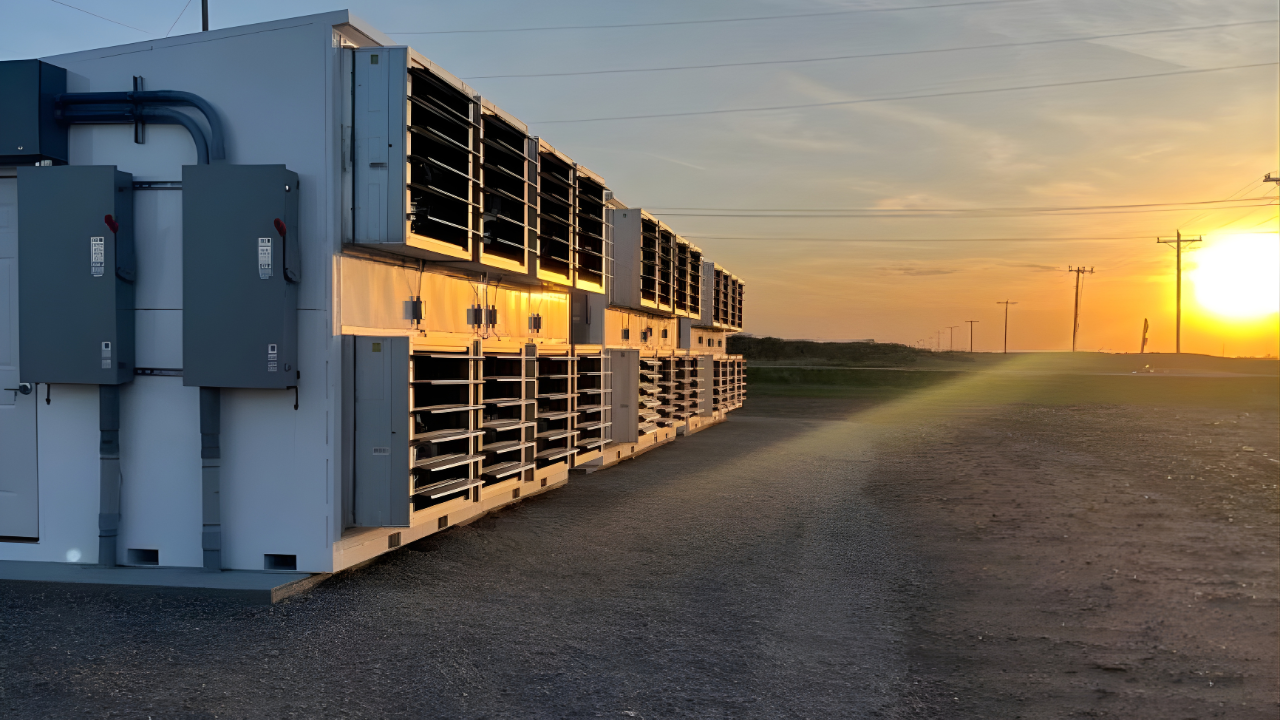
Proper cooling infrastructure is essential. Without adequate airflow and temperature control, machines throttle performance or fail. This is one reason professional mining facilities exist: they're built to handle the electrical load and thermal output that would overwhelm a typical home or office. Access to low-cost power is critical because electricity represents 75–85% of ongoing operational costs.
How to Mine Bitcoin
There are three main approaches to mining: solo, pool, and hosted. The right choice depends on your resources, technical expertise, and how hands-on you want to be.
Solo Mining
Solo mining means operating independently without joining a pool. If you find a block, you keep the entire reward (currently 3.125 BTC plus transaction fees).
The problem? With network hashrate measured in hundreds of exahashes per second, a single ASIC might wait decades between blocks. Solo mining is a lottery ticket with very long odds, and the solo mining probability calculator will tell you how long those odds are for your hashrate.
Pool Mining
Pool mining combines computational resources with thousands of other miners. When the pool finds a block, rewards are distributed based on each participant's contributed hashrate.
This approach provides consistent, predictable income rather than rare windfalls. The tradeoff is a small pool fee (typically 1–2%) and slightly smaller individual payouts.
Hosted Mining
Hosted mining, also called colocation, means purchasing ASIC hardware that a professional facility operates on your behalf. You own the machines. The facility handles power, cooling, maintenance, security, and repairs.
| Mining Method | Hardware Location | Who Handles Operations | Payout Frequency |
|---|---|---|---|
| Solo Mining | Self-managed | You | Rare, large payouts |
| Pool Mining | Self-managed | You | Frequent, smaller payouts |
| Hosted Mining | Data center | Provider | Frequent, smaller payouts |
For investors who want Bitcoin exposure without becoming electricians or HVAC technicians, hosted mining is often the most practical path.
Is Bitcoin Mining Still Profitable
Profitability depends on the relationship between your costs and your revenue. Four variables drive the equation:
- Electricity rate: The cost per kWh is your primary operating expense and the single biggest profitability lever.
- Hardware efficiency: More efficient miners produce more hashrate per watt, lowering your cost to mine each Bitcoin.
- Bitcoin price: Higher prices increase the fiat value of mining rewards.
- Network difficulty: Higher difficulty means more competition for the same block rewards.
Miners with access to low-cost power (under $0.08/kWh) and current-generation equipment can remain profitable even in challenging market conditions. Those paying residential electricity rates with older hardware often struggle. A mining profitability calculator can help estimate potential returns based on your specific inputs.
How to Start Mining Bitcoin
Getting started involves four steps. Hosted mining offers the simplest path for most investors.
1. Choose Your Mining Hardware
Research ASIC miners based on hashrate, efficiency, and price. Current-generation machines offer the best efficiency. Previous-generation models cost less upfront but consume more power per terahash.
Consider your time horizon. More efficient hardware pays for itself faster and remains profitable longer as difficulty increases.
2. Select a Mining Pool or Hosting Provider
Decide whether to self-host and join a pool or use a professional hosting service. Self-hosting requires suitable electrical infrastructure, cooling, and ongoing maintenance. Hosting providers handle all of that while giving you dashboard access to monitor your machines.
When evaluating providers, look for transparent power rates, precision billing based on actual uptime, on-site security and maintenance, and in-house repair capabilities.
3. Set Up Your Mining Operation
If self-hosting, configure your mining software, connect to a pool, and ensure proper electrical and cooling infrastructure. This typically requires 240V circuits, dedicated breakers, and industrial-grade ventilation.
With hosted mining, setup is simpler. Complete your purchase, pay an electricity deposit, and the provider brings your miner online.
4. Monitor Your Hashrate and Earnings
Track your miner's performance through your pool or hosting provider's dashboard. Key metrics to watch: hashrate (is your machine performing as expected?), uptime (how often is it running?), and earnings (how much Bitcoin are you accumulating?).
Bitcoin Mining Risks
Mining carries real financial and operational risks. Understanding them upfront helps protect your investment.
Hardware and Operational Risks
ASIC miners are industrial equipment that runs 24/7 under significant thermal stress. Common failure points include fans, power supplies, control boards, and hashboards. Any downtime directly reduces your earnings.
Self-hosted miners bear full responsibility for repairs, which often require specialized tools and micro-soldering expertise. Hosted miners benefit from on-site technicians and protection plans that cover failures for 12 months or longer.
Market and Profitability Risks
Bitcoin's price volatility directly impacts mining revenue. A 50% price drop cuts your dollar-denominated earnings in half even if your hashrate stays constant. Difficulty increases compress margins further. Some hosting providers offer the ability to pause operations during unfavorable conditions so you're not mining at a loss.
Common Bitcoin Mining Scams
The mining industry attracts fraudsters. Be cautious of these common schemes:
- Cloud mining scams: Platforms promising guaranteed returns without operating real mining equipment. Many are Ponzi schemes paying early investors with funds from later ones.
- Hardware scams: Sellers shipping counterfeit, broken, or nonexistent equipment.
- Wallet scams: Phishing attempts designed to steal Bitcoin from miners' wallets.
If a deal seems too good to be true, it probably is. Work only with established providers that operate verifiable infrastructure.
Start Mining Bitcoin the Simple Way
The best time to understand Bitcoin mining was yesterday. The second-best time is now.
For a turnkey approach, Simple Mining combines equipment ownership with professional operations: miner sales with integrated hosting, in-house repairs, precision billing, and a risk-free 7-day trial to test the experience before committing capital.
FAQs About Bitcoin Mining
How long does it take to mine one Bitcoin?
At October 2026 conditions, one top-tier ASIC takes about 11 years to accumulate a full coin, a mid-tier unit about 23 years, and an older unit about 44. Solo, a single top-tier machine averages one block only about every 35 years, so pool mining is more practical: you earn fractional bitcoin daily in proportion to your hashrate. See how long it takes to mine 1 Bitcoin for the full breakdown.
Is Bitcoin mining legal in the United States?
Yes. Bitcoin mining is legal throughout the United States and most other countries. Regulations vary by jurisdiction, and some localities have restricted mining due to energy consumption concerns or zoning requirements.
Can you still mine Bitcoin at home?
You can, but it's challenging. A single ASIC generates significant noise (comparable to a vacuum cleaner running nonstop), produces substantial heat, and draws enough power to require dedicated 240V circuits. Most residential setups struggle with noise, cooling, and electrical capacity.
Does Bitcoin mining pay real money?
Yes. Mining rewards you with actual Bitcoin (BTC). This Bitcoin can be held as a digital asset or converted to fiat currency through a cryptocurrency exchange. The Bitcoin you mine is identical to bitcoin purchased on an exchange.
What is cloud mining and is it safe?
Cloud mining is a service where you rent hashrate from a remote provider instead of owning physical hardware. While legitimate cloud mining exists, the sector is notorious for scams. If you're considering cloud mining, verify that the provider operates real, auditable mining equipment before investing any money.