
 Simple Mining x Sminston
Every miner earns the same hashprice. Your power rate is the edge.
Revenue per unit of hash is set by the network. It is the same for every machine of a given model, everywhere on earth. What you keep is decided by what you pay for power. That is why Sminston partnered with Simple Mining.
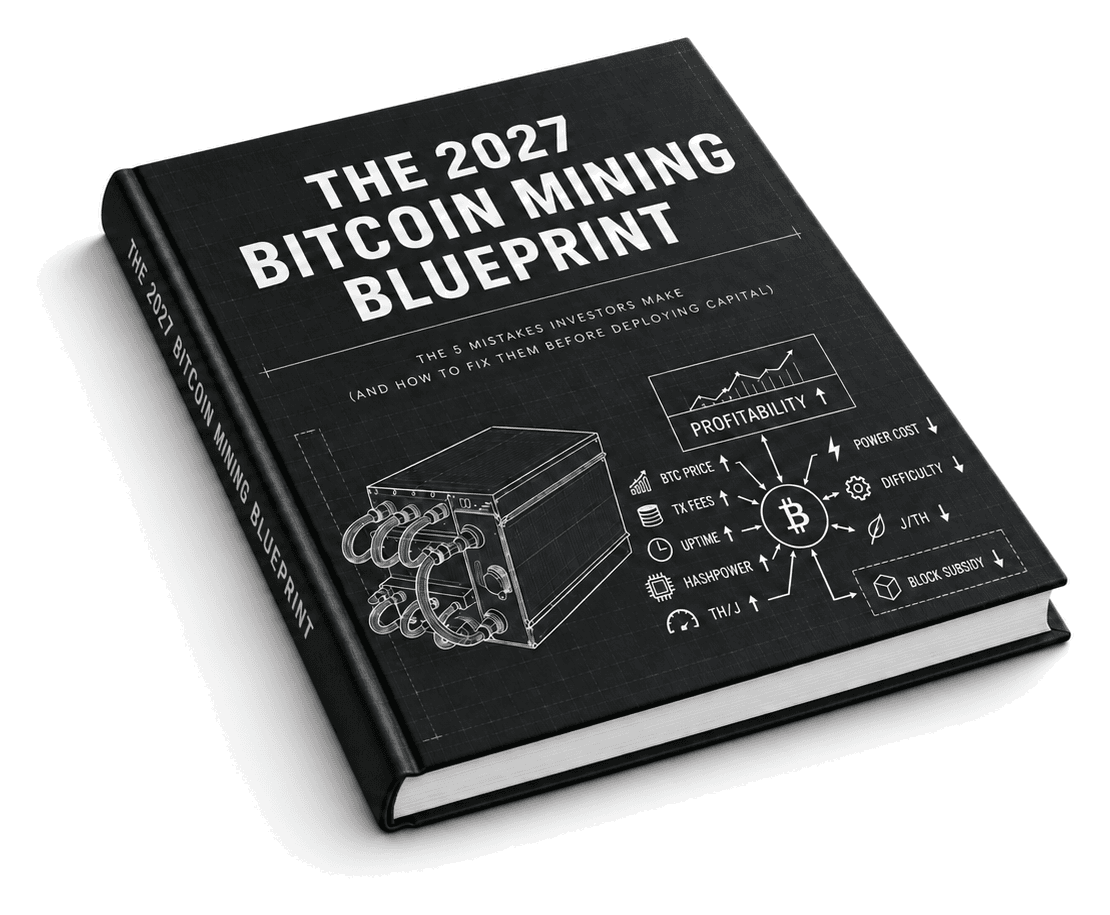
Free 5-lesson email course
The 2027 Bitcoin Mining Blueprint
The 5 mistakes investors make when allocating to Bitcoin mining, and how to fix them before deploying capital.
- One mistake per lesson, with the fix for each
- The numbers to check before buying any machine
- Delivered by email, starting with Lesson 1 today
Lesson 1 arrives in your inbox right away.
Prefer to talk it through? Book a call with the team. Want to try it first? Start with the free 7-day trial.
45,000+
machines managed
1,200+
clients
150 MW
capacity
$0.065
per kWh, hosting from
Inc. 5000 #391 (2026) · #2 in Computers & Technology · 894% three-year growth · BBB accredited · Cedar Falls, Iowa
Why Sminston partnered with Simple Mining
All-in power rates of $0.065 to $0.08/kWh
One bundled $/kWh number covers electricity, cooling, site operations, and monitoring. The rate you see is the rate you pay.
You own the ASIC
Dedicated hardware in your name. Your machine, your hashrate, with pool payouts you can direct to your own self-custody wallet.
Iowa facilities with in-house repair
95% uptime targets at facilities in Cedar Falls, Iowa, with an in-house ASIC repair center. When hashprice moves, your machines are actually hashing.
The margin math
Same revenue, different survival.
Two identical ASICs earn identical Bitcoin. The only line on the P&L that separates them is the power bill. A machine drawing about 3.6 kW runs roughly 2,628 kWh per month, and the rate you pay on those kilowatt-hours decides whether you compound through drawdowns or capitulate at the bottom.
A low power rate is more than extra margin in good times. It is what keeps your machine profitable, and hashing, when hashprice compresses and higher-cost operations shut off.
Monthly power cost, one ~3.6 kW ASIC
Simple Mining hosting
$0.065/kWh
~$171/mo
Typical commercial rate
$0.10/kWh
~$263/mo
Typical residential rate
$0.15/kWh
~$394/mo
Illustration for a ~3.6 kW machine running 24/7 across an average month (~730 hours). Revenue per unit of hash is identical in all three rows. Only the cost changes.
How it works
- 1
Purchase a miner
Pick a machine with the team based on your budget and hashrate goals.
- 2
Onboard to the dashboard
Set your payout wallet and see every machine and payout in one place.
- 3
Your miner goes live
Installed, connected, and hashing at a Simple Mining facility in Iowa.
- 4
We run operations
Power, cooling, monitoring, maintenance, and repairs are handled on site.
- 5
Bitcoin gets mined
Pool payouts go to the wallet you control.
- 6
One monthly bill
Electricity, hosting, maintenance, and support on a single invoice.
Want the numbers for a specific machine?
Book a short call. We run the hosting cost and expected output on the model you are looking at.
Book my callQuestions Sminston's audience asks
If revenue per hash is the same everywhere, why does the host matter?
Because the host sets your power rate, your uptime, and your repair turnaround. Those three decide the margin on identical revenue.
What is included in the $/kWh?
Electricity, cooling, site operations, and monitoring. You pay one monthly hosting bill. Repairs are handled by our in-house center.
What happens when hashprice compresses?
Revenue per machine falls for everyone. Machines at low power rates stay above breakeven longer, which is the whole point of hosting at $0.065 to $0.08.
Where does the Bitcoin go?
To a wallet address you set in the client dashboard. Pool payouts go straight to it. Simple Mining never holds your coins.
What if I want out?
Machines are titled to you. List them on the Simple Mining client marketplace, or have them shipped to you or another host. The exit does not depend on us buying them back.
Hosted mining involves risk. Miner revenue varies with Bitcoin price, network difficulty, transaction fees, uptime, and operating costs.
This page is built for Sminston's audience and is used for partner attribution.