

How to Evaluate a Used ASIC Miner Marketplace
By Josh Heine, Content Strategist at Simple Mining
Published April 20, 2026
Buyers searching for the best used mining hardware marketplaces are often asking a deeper question. Where can you buy a used ASIC miner without inheriting someone else's problems? A low sticker price can hide long downtime and unknown repair history. Weak buyer protection compounds the damage. This guide is a framework for evaluating a used ASIC miner marketplace before you commit capital.
On this page · 9 sections
- What Buyers Mean When They Search for the Best Used Mining Hardware Marketplaces
- The Main Ways to Buy Used ASIC Miners
- What Separates a Reliable Used ASIC Marketplace from a Risky One
- Why Used Miner Price Is Only Half the Equation
- When a Hosted Marketplace Makes More Sense Than a General Resale Site
- How Simple Mining's Marketplace Fits This Model
- How to Buy a Used ASIC Miner With Less Downside
- FAQs
- The Cheapest Miner Is Rarely the Cheapest Decision
Key Takeaways
- The best used mining hardware marketplaces are the ones that reduce verification and transfer risk. Sticker price is a poor proxy for total cost.
- Used miners move through four channels. Open resale and P2P carry the highest verification burden. Brokered inventory and hosted client marketplaces carry less.
- A reliable marketplace shows verified hashrate logs and documented repair history. Serial transparency and clean payment terms round out the picture.
- Price is half the equation. Efficiency in J/TH, repair exposure, and time to hashing drive the rest of the math.
- Hosted client marketplaces remove most shipping and verification friction because the miner stays in place and keeps hashing through the transfer.
What Buyers Mean When They Search for the Best Used Mining Hardware Marketplaces
Most buyers are looking for trust, verification, fair pricing, and predictable deployment with lower post-purchase risk.
The phrase "best used mining hardware marketplaces" implies a simple ranking. The real buying decision is not that flat. Buyers want to know whether a seller is credible. They want proof the unit runs at spec. They want clean transfer and clear recourse when something fails. A ranked list of names cannot answer any of those questions on its own.
The Main Ways to Buy Used ASIC Miners
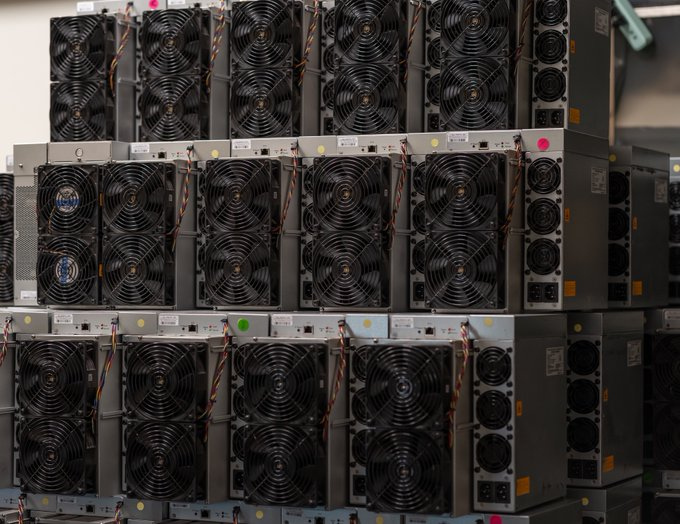
Used ASIC miners move through four structural channels. Each channel carries a different mix of verification and risk.
Open Resale Platforms
eBay, Facebook Marketplace, and Craigslist show the widest selection of used Bitcoin miners. Some of these platforms offer buyer protection. Most sellers on them do not understand mining hardware at a technical level. Listings often lack hashrate data or operational history. The buyer carries most of the verification burden.
P2P Community Transactions
Reddit's r/BitcoinMining, Bitcointalk, and various Discord or Telegram channels host active secondary markets. Prices often run lower because no platform fee sits in the middle. Seller reputation depends on community standing and post history. Escrow and dispute resolution are not baked in. Experienced miners find good deals here. First-time buyers face higher scam exposure.
Brokered or Refurbished Inventory
Specialized resellers and refurbishers source and test used units before listing them. Many run stress tests and replace worn components. They also document hashrate output for buyers. Prices run higher than raw P2P. The premium reflects the testing work and the return policy that often comes with it.
Hosted Client Marketplaces
Some hosting providers operate internal marketplaces where clients can buy and sell hosted ASIC miners. The miner often stays in place during the transaction. Ownership changes on the books. The hardware keeps hashing. Current performance can be observed before purchase. Shipping risk drops to near zero when the unit never leaves the facility.
What Separates a Reliable Used ASIC Marketplace from a Risky One
A reliable marketplace shows verified hashrate data, documented repair history, serial transparency, clear payment terms, and low transfer risk.
Verified Hashrate and Uptime Data
A credible listing includes recent hashrate logs from a mining pool or a dashboard screenshot covering 24 to 72 hours of sustained output. Photos of a powered-on front panel prove nothing. Raw logs or video documentation of the dashboard carry more weight. Consistent hashrate without thermal throttling or hashboard dropouts is the signal to look for. Sharp drops or frequent restarts suggest deeper issues. Hashrate math (J/TH explained) is the backbone of that verification.
Repair and Maintenance History
Documented service history lowers risk. Units with professional repair records often outperform "as-is" listings because someone solved the common failure points before the unit went back on the market. Ask for invoices and board replacement records. Fan and PSU swap dates also help. Thermal paste replacement and regular cleaning extend operational life. No service history does not mean the miner is bad. It does mean the buyer carries more uncertainty about what is hiding inside.
Serial Number and Component Transparency
Cross-reference serial numbers with the manufacturer when possible. Mismatched numbers between the chassis and the hashboards suggest component swapping. Swapping is not always a problem. Third-party hashboards and aftermarket PSUs vary in quality. Knowing what is original versus replaced lets a buyer price the unit with eyes open. Counterfeits also exist for popular models. Verification helps filter them out.
Clear Payment and Transfer Process
Escrow services or platform-held funds remain the safest payment path for used hardware. A seller who refuses escrow is a red flag worth walking away from. Wire transfers are appropriate after hard identity verification and a verified seller track record. Direct crypto transfers without escrow offer no recourse. Gift cards and peer payment apps for high-value hardware are a near-certain sign of fraud. The payment method should match the value at risk.
Shipping or Transfer Risk
Every shipment of a used ASIC miner introduces risk. The unit can arrive damaged. The unit can arrive and not match the listing. Anti-static packaging and double-boxing matter. Insurance for full replacement value matters more. Signature confirmation and video documentation of the unboxing protect the buyer if a claim becomes necessary. The lowest-risk transfers are the ones that do not involve shipping at all.
Why Used Miner Price Is Only Half the Equation
The sticker price is one input. Efficiency, repair exposure, and time to hashing often matter more.
Efficiency and J/TH
Efficiency is measured in joules per terahash (J/TH). A miner at 17 J/TH uses about half the electricity per hash as one at 34 J/TH. Over a year of operation, the gap in power cost can exceed the price difference between the units. A cheap and inefficient unit is often the more expensive decision. Model the math against your hosting rate before you fall in love with a discount.
Repair Exposure
Older equipment fails more often. A hashboard swap can run several hundred dollars per incident. Fan and PSU repairs are cheaper and still add up across a small fleet. A buyer without access to a trusted ASIC repair channel carries the full cost and downtime of every failure. Aftermarket protection plans can soften the blow on older hardware.
Time to Hashing
Every day a miner is not hashing is a day of lost output. Units bought through open channels can take weeks to ship and deploy. Unboxing and bench-testing add more time. Units bought in a hosted environment can be hashing the same day. Time to hashing is part of the total cost. Live difficulty estimators can show what that lost time is worth during a rising market.
When a Hosted Marketplace Makes More Sense Than a General Resale Site
A hosted marketplace reduces transfer risk and provides real operating context. For most used-miner buyers those factors outweigh a small discount on a generic listing.
A general resale site shows photos and a model name. A claim about condition often accompanies the listing. A hosted marketplace shows the miner running in a facility. Current hashrate can be pulled from live dashboards. Operational history lives on record with the hosting provider. Repair support sits in the same ecosystem as the sale.
The transfer is where the structure shows its value. A hosted unit stays in place. Nothing gets crated. Nothing gets shipped. The new owner begins receiving hashrate output without interruption. Shipping damage and lost packages are removed from the equation.
Operational context also changes the verification problem. Instead of trusting a stranger's screenshot, the buyer can watch real output data. Instead of guessing at repair history, the buyer can check records with the facility. Instead of hoping packaging holds up in transit, the buyer skips transit. The structure answers most of the questions that make used purchases risky in the first place.
How Simple Mining's Marketplace Fits This Model
Simple Mining runs a client marketplace inside a hosting and repair ecosystem. Used and refurbished units surface on the shop page by model. Hosted clients can list hardware that is already deployed in Simple Mining's Cedar Falls facilities. Buyers see current model availability and pricing without chasing listings across forums and resale sites.
The value of the model is in the context, not in branding. A buyer knows the environment the miner has lived in. The unit has been running in a climate-controlled facility with steady power, active monitoring, and a roughly 60% renewable power mix. If a repair is needed after the sale, Simple Mining's on-site repair center handles it without shipping the unit across the country. If ongoing Bitcoin mining hosting is desired, the miner can keep hashing in place under a precision billing structure that charges for actual uptime.
How to Buy a Used ASIC Miner With Less Downside
Follow a simple sequence. Define the target, compare channel types before sellers, demand proof of performance, verify history, lock down payment, and plan for post-purchase costs.
- Define your target model and efficiency range. Choose based on J/TH and fit with your power cost. Efficiency drives more of the profit picture than raw hashrate.
- Compare channel types before sellers. An open resale listing and a hosted marketplace listing are not the same product. Pick the channel that matches your risk tolerance first.
- Request proof of performance. Hashrate logs and pool screenshots work. A live dashboard view works best. Listing photos alone are not enough.
- Verify condition and history. Check serial numbers and component originality. Look for repair records and prior operating context. Ask questions until the gaps are clear.
- Clarify payment and transfer terms. Use escrow for any transaction over a few thousand dollars. Get shipping and return terms in writing. Insurance details belong in the contract too.
- Account for repairs, shipping, and downtime. Budget for the first repair even on a healthy unit. Factor shipping time into your return-on-time calculation. Check live hashprice tracker to frame the cost of downtime.
- Match the marketplace structure to your risk tolerance. A buyer who wants fast deployment and low post-purchase friction has different needs than one chasing the lowest possible sticker price.
FAQs
Do hosting providers accept used ASIC miners?
Most professional hosting providers prefer or require miners purchased through their inventory. The policy protects the facility from inconsistent hardware and protects other hosted clients from equipment-related issues. Some providers do accept client-owned used units after inspection and a stress test.
How long do used ASIC miners usually last before major repairs?
Lifespan depends on previous operating conditions. Heavy-use units often need hashboard or PSU repair within 12 to 24 months. Fans tend to fail in the same window. Well-maintained miners in climate-controlled facilities can run far longer without major intervention.
Can buyers test a used ASIC miner before completing the purchase?
Some marketplaces and P2P platforms offer escrow with a short testing window. The terms vary. Clarify testing rights and return conditions before sending payment. Confirm who pays shipping during a return.
When is the best time to buy used Bitcoin mining equipment?
Supply of used equipment tends to rise during market downturns and after halving events. Less efficient units get retired. Prices soften. Buyers with patience and dry powder often find better entry points during these windows.
Are refurbished miners better than standard used miners?
Refurbished units have been tested and repaired with replacement components. They often command a premium over raw used listings. For many buyers the premium is worth it because fewer surprises surface in the first months of operation.
The Cheapest Miner Is Rarely the Cheapest Decision
The best used mining hardware marketplace is the one that gives you the most verification and the least transfer risk for your capital. Review Simple Mining's current used and refurbished ASIC miner inventory, or start with a 7-day free trial to test the dashboard and hashrate performance before committing capital.